


White House Farm
3,758 Total Finished SF
4 Bedrooms / 2 Full Bathrooms / 1 Powder Room
OVERVIEW
Honoring 280 Years of History While Designing for the Future
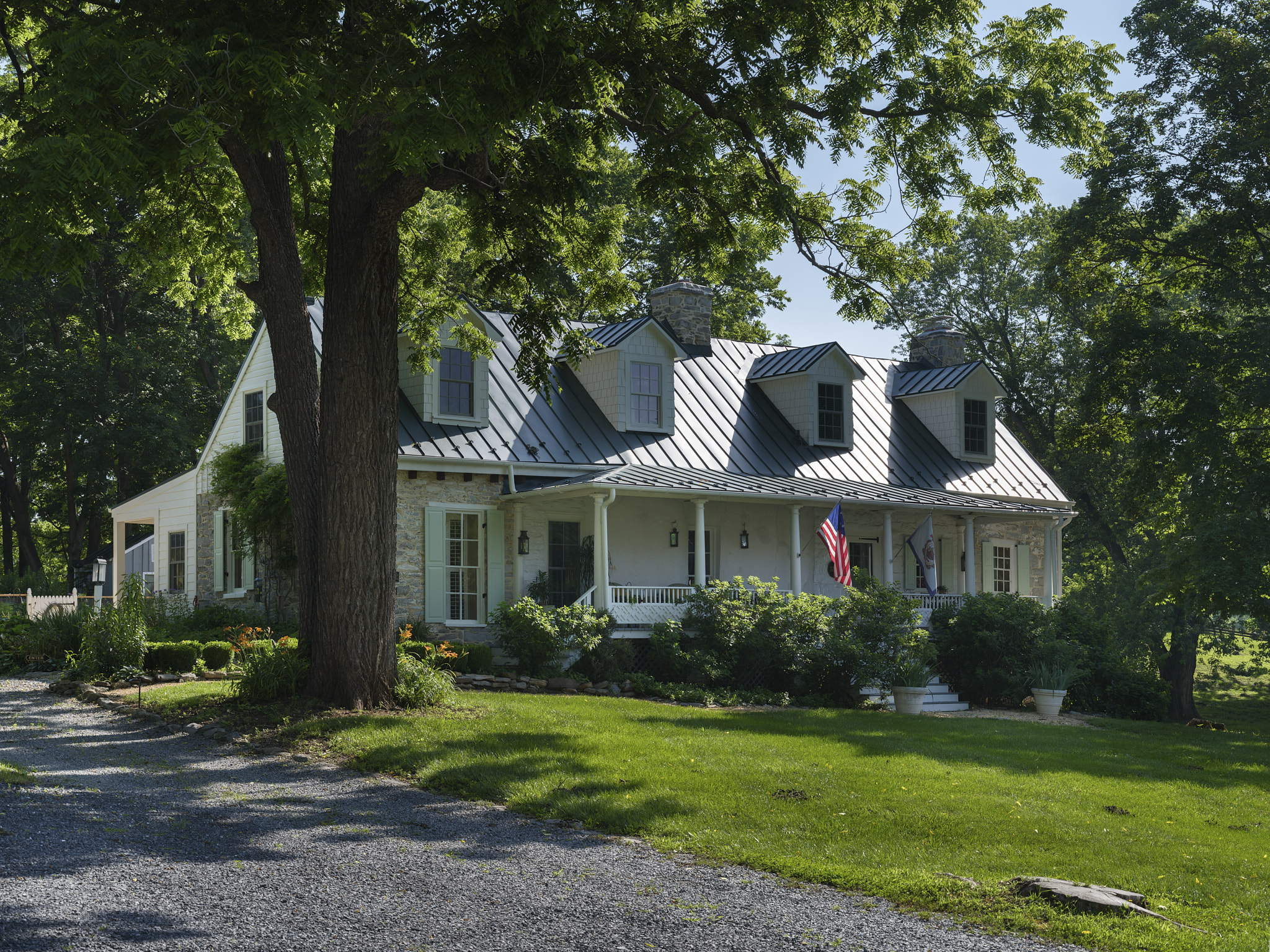
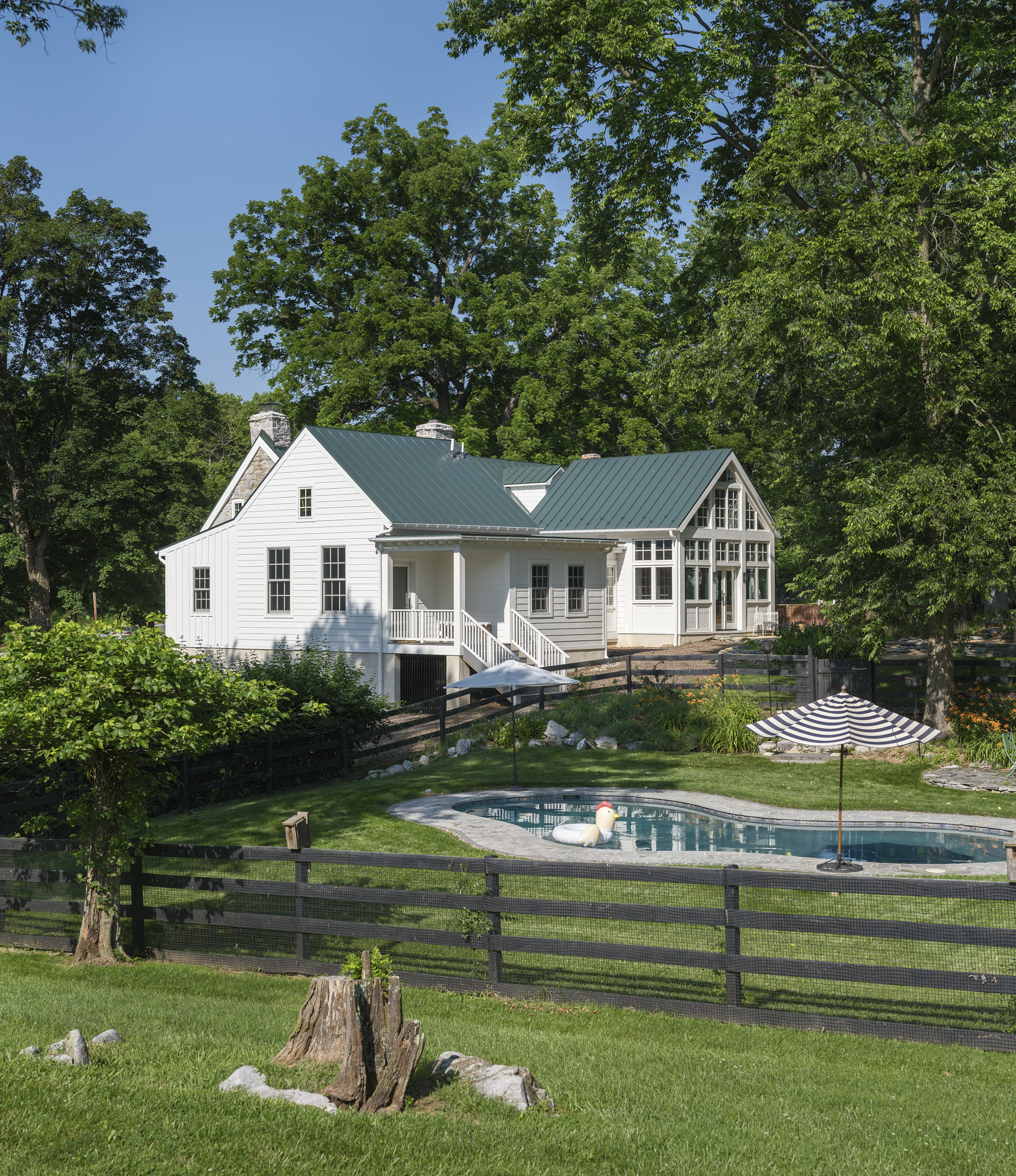
A 1740s farmhouse in West Virginia holds a rare kind of character — one built not all at once, but accumulated across generations. Homeowners Christie and Joe Martin had long treasured the property’s quirky, labyrinthine layout, the result of a series of additions tacked on to the back of the house over a span of a hundred years. But when the couple decided to make the farmhouse their permanent residence, the charm of that organic layout gave way to a practical reality: none of the additions were up to current building standards or code. The goal became clear — transform the footprint while preserving the soul.
Reimagining the Footprint Without Sacrificing the Character
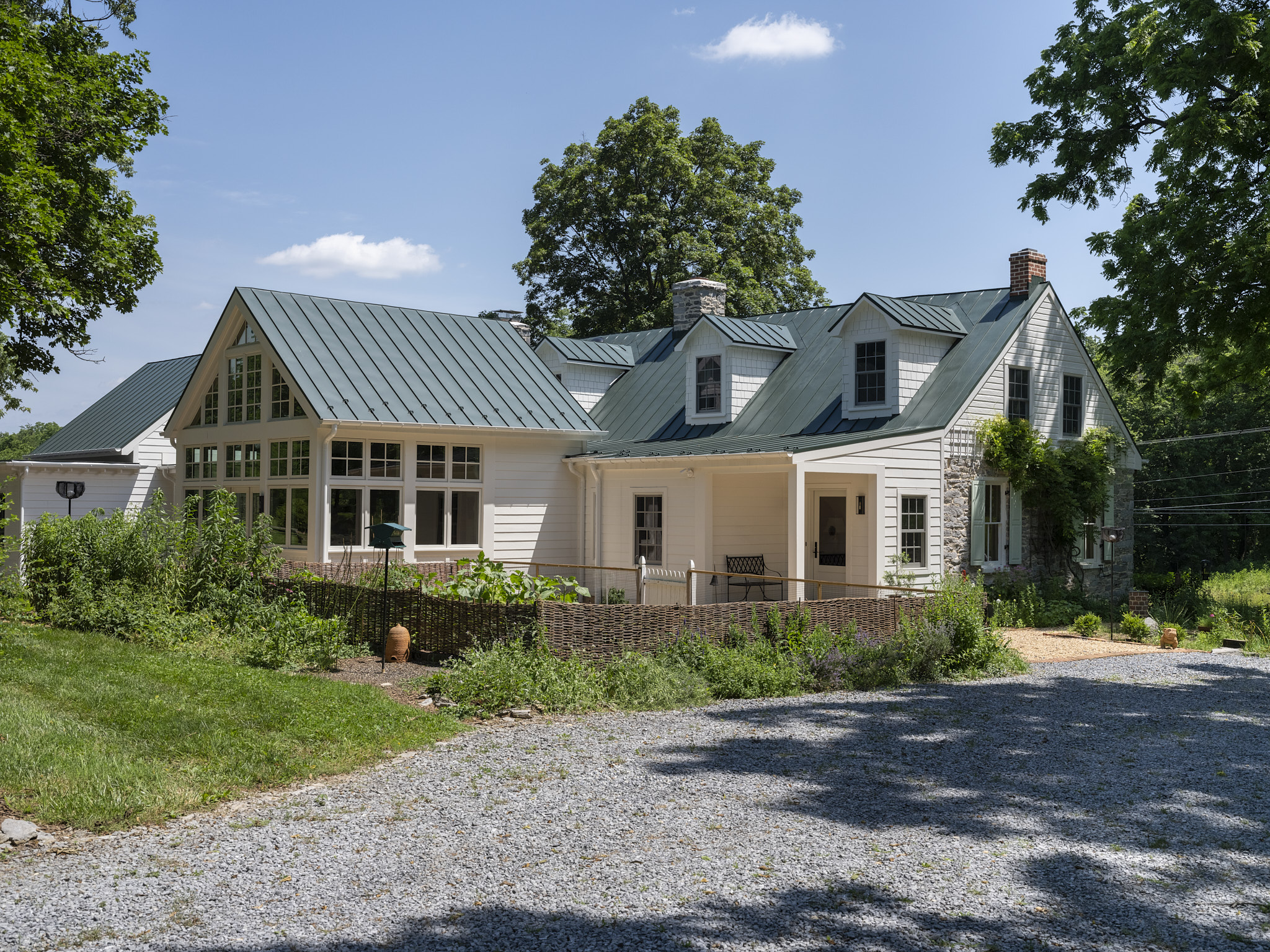
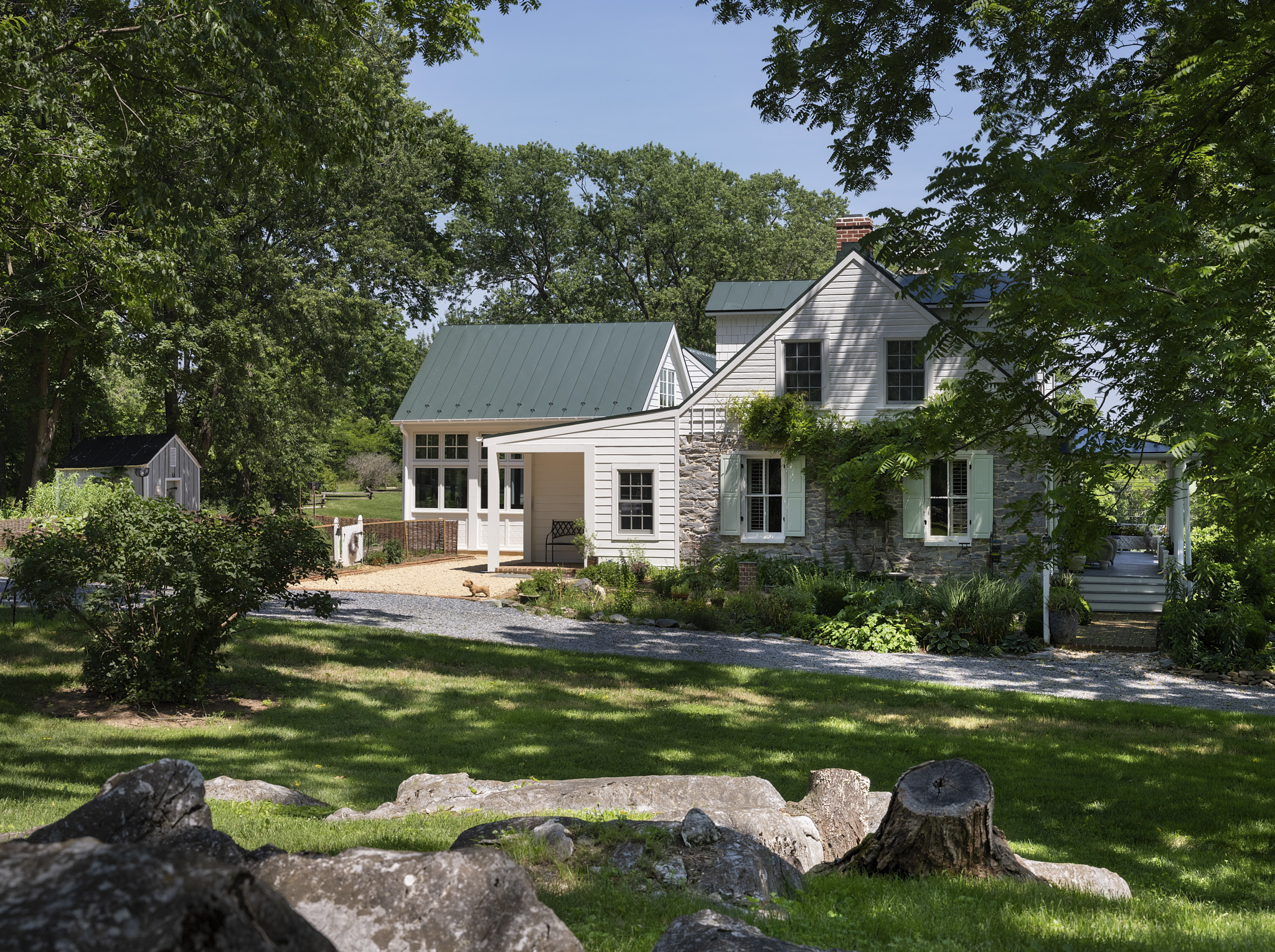
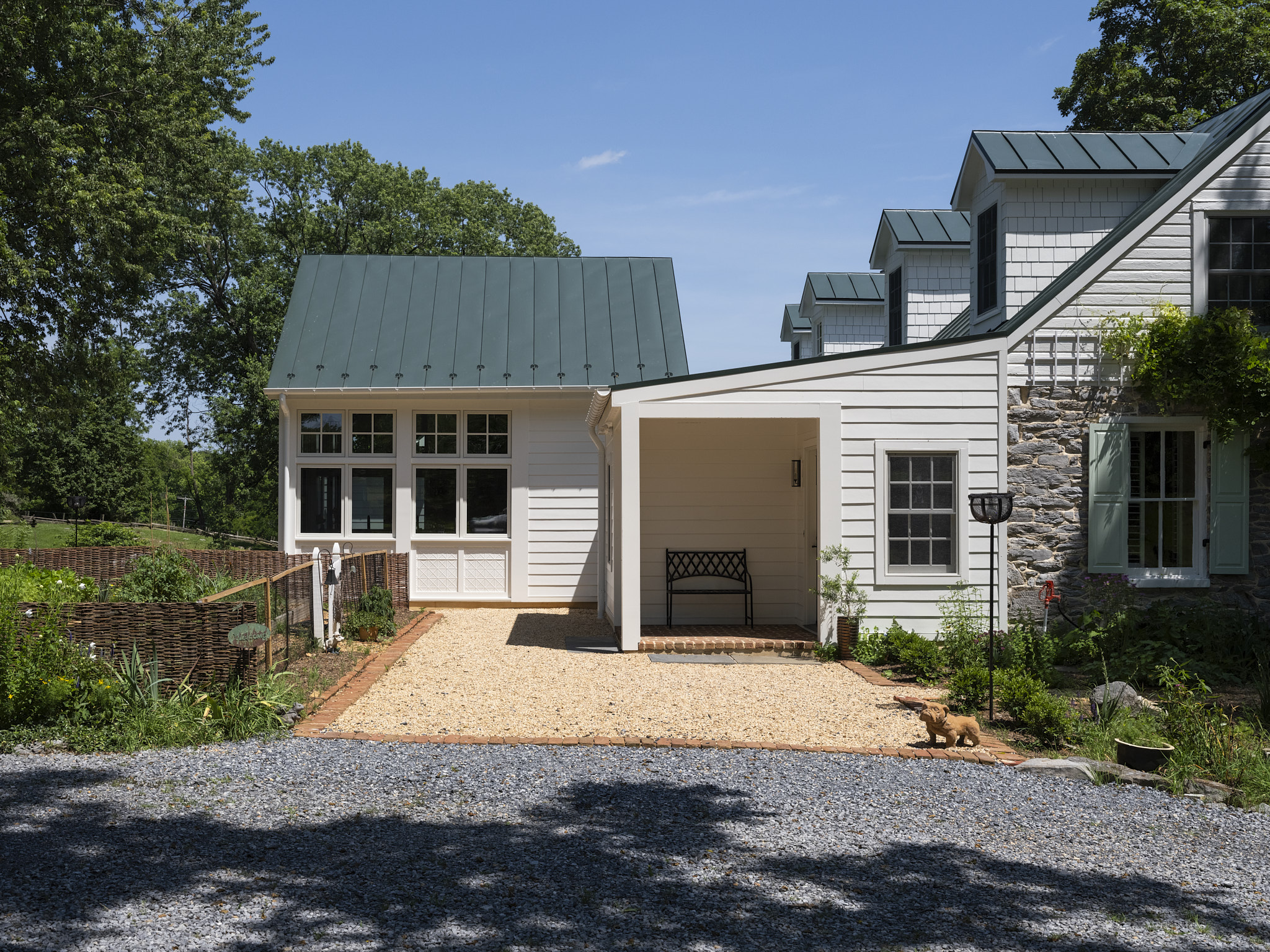
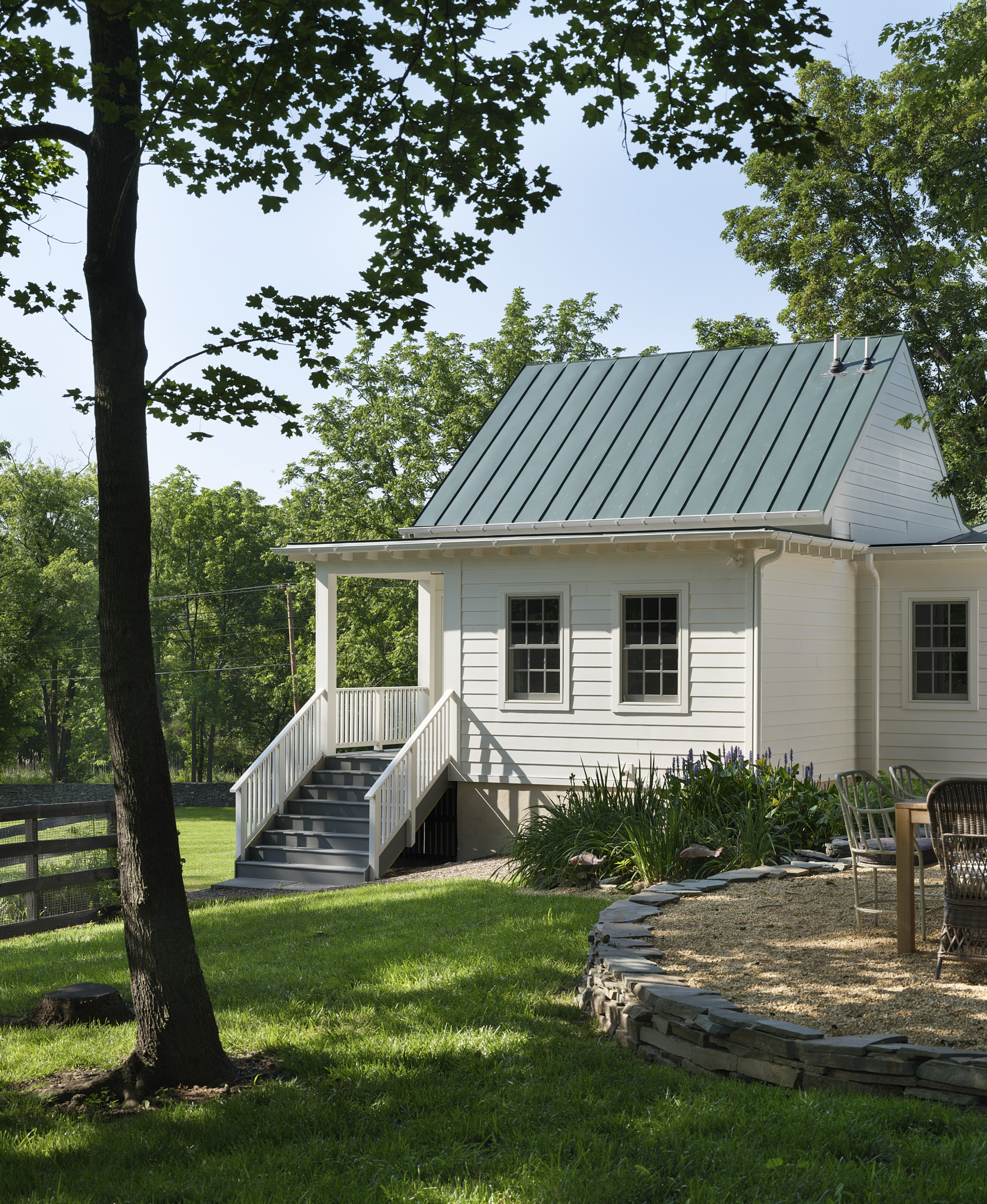
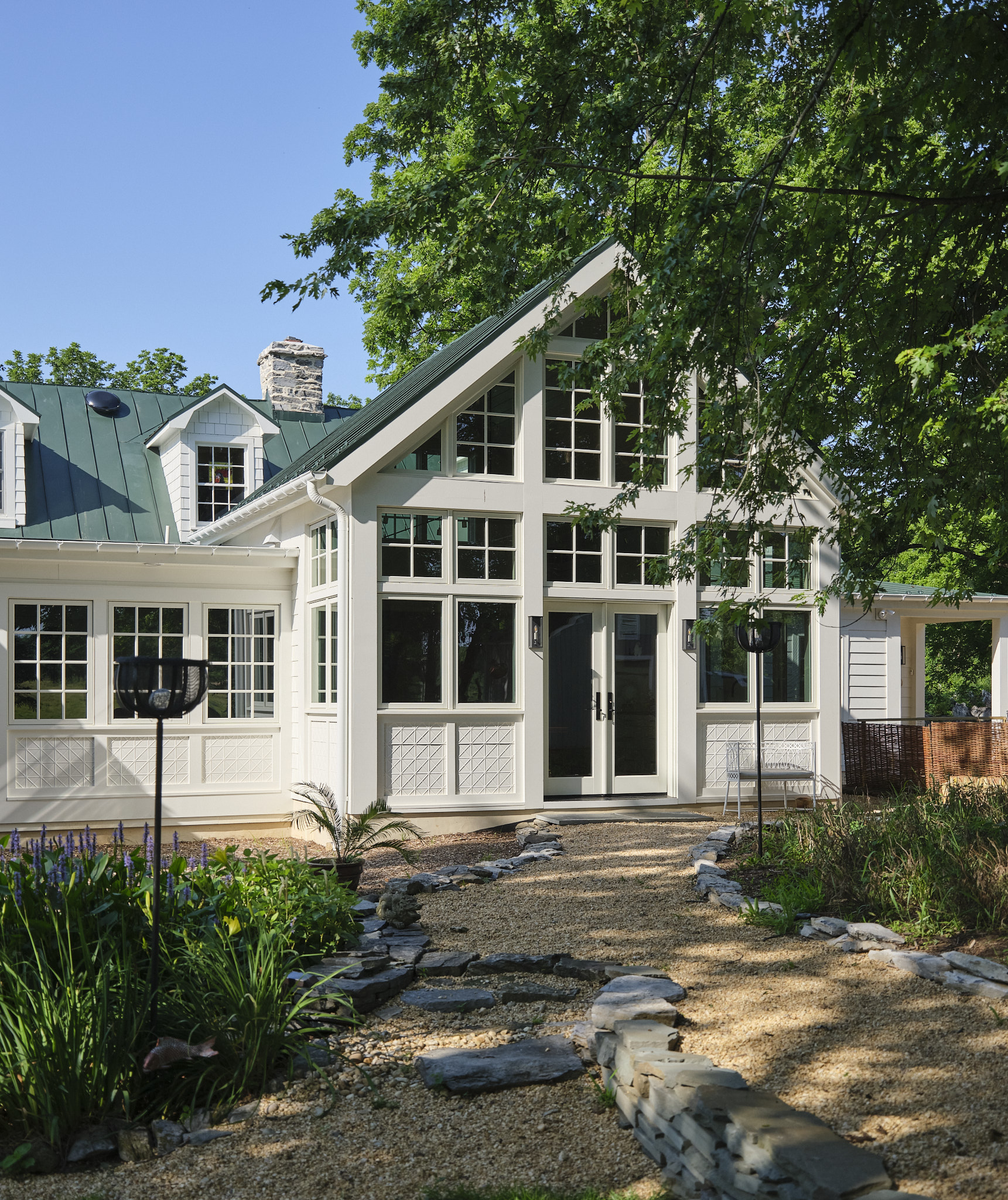
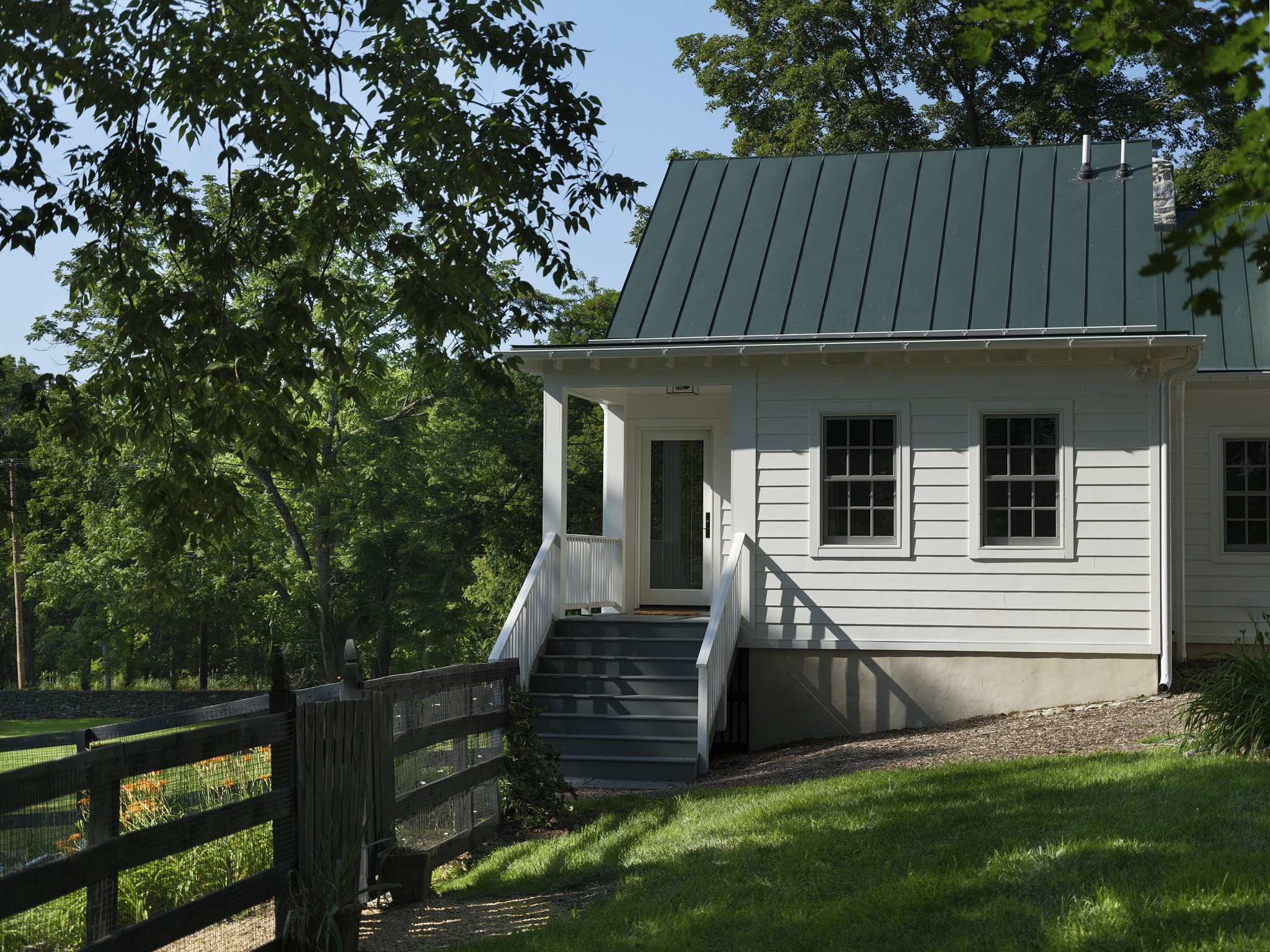
Working alongside architecture firm Reader Swartz Architects, Gruver Cooley reimagined the home’s footprint — leveling out the non-conforming additions and replacing them with purposeful new spaces, including a luminous kitchen, a mudroom, and a dedicated primary suite wing with its own private porch. Gruver Cooley guided all architectural finishes and selections, inside and out, with a clear directive: create a warm, collected aesthetic where modern details feel completely at home alongside the original 1740s structure.
Key Features:
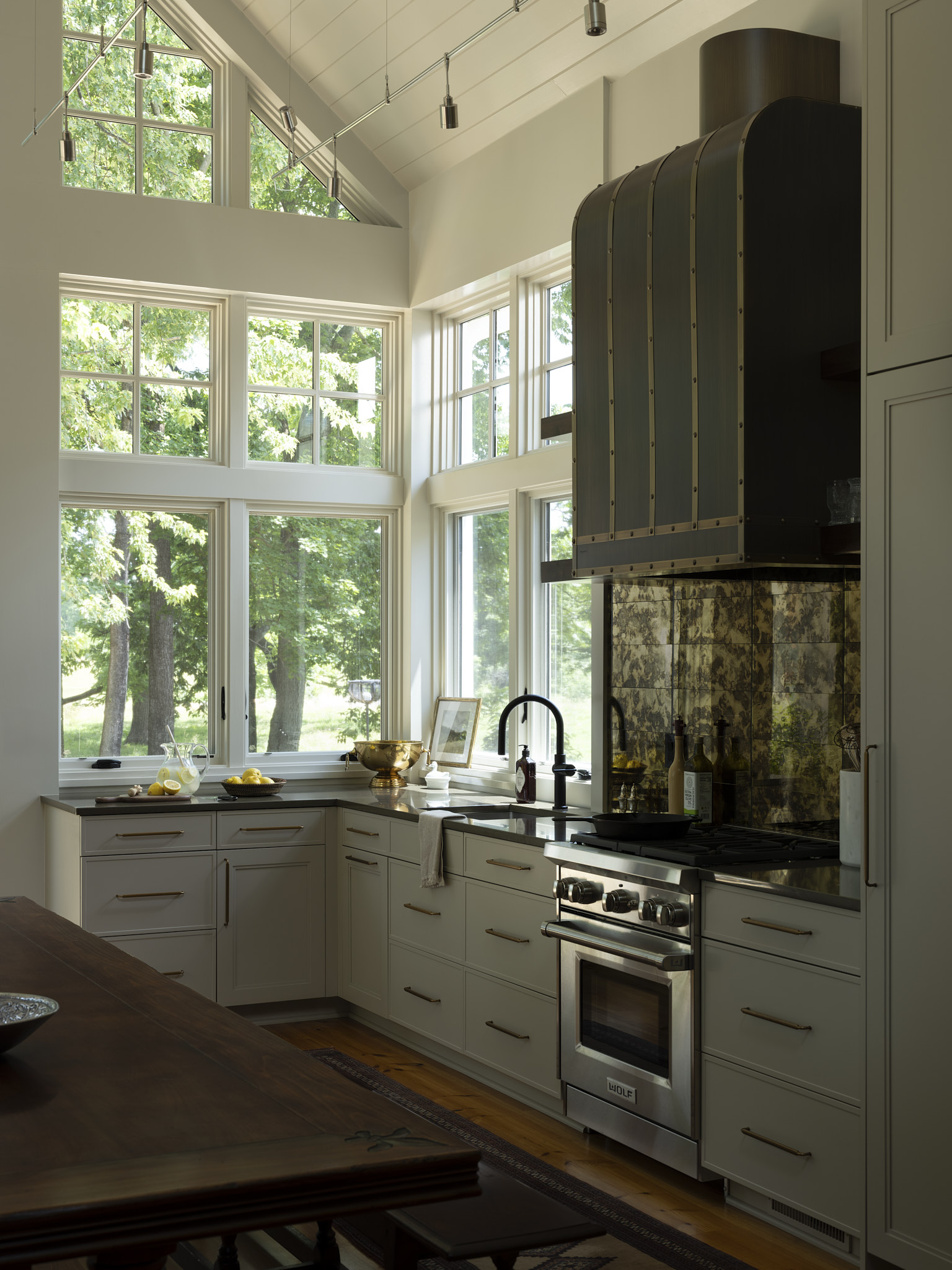
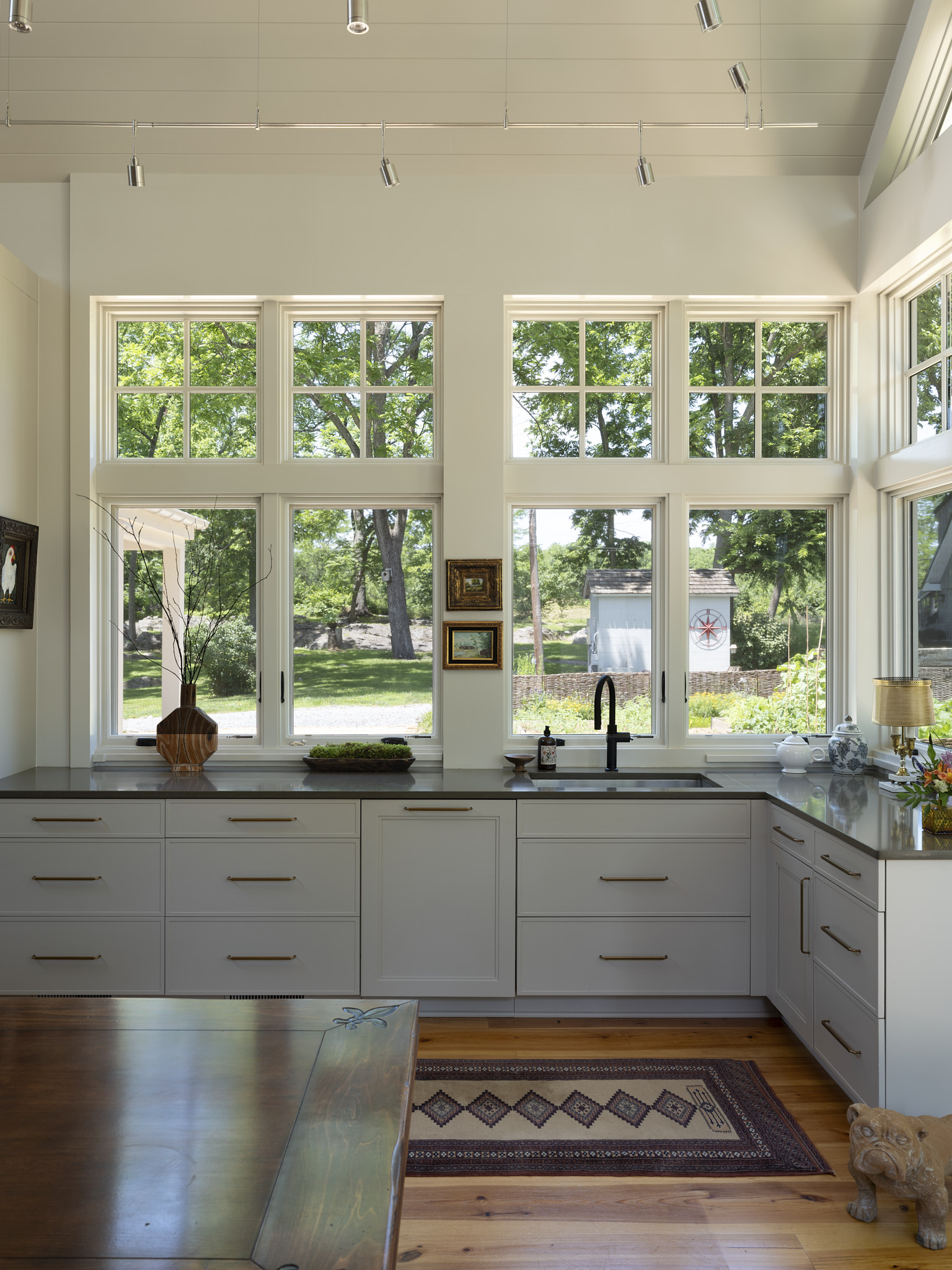
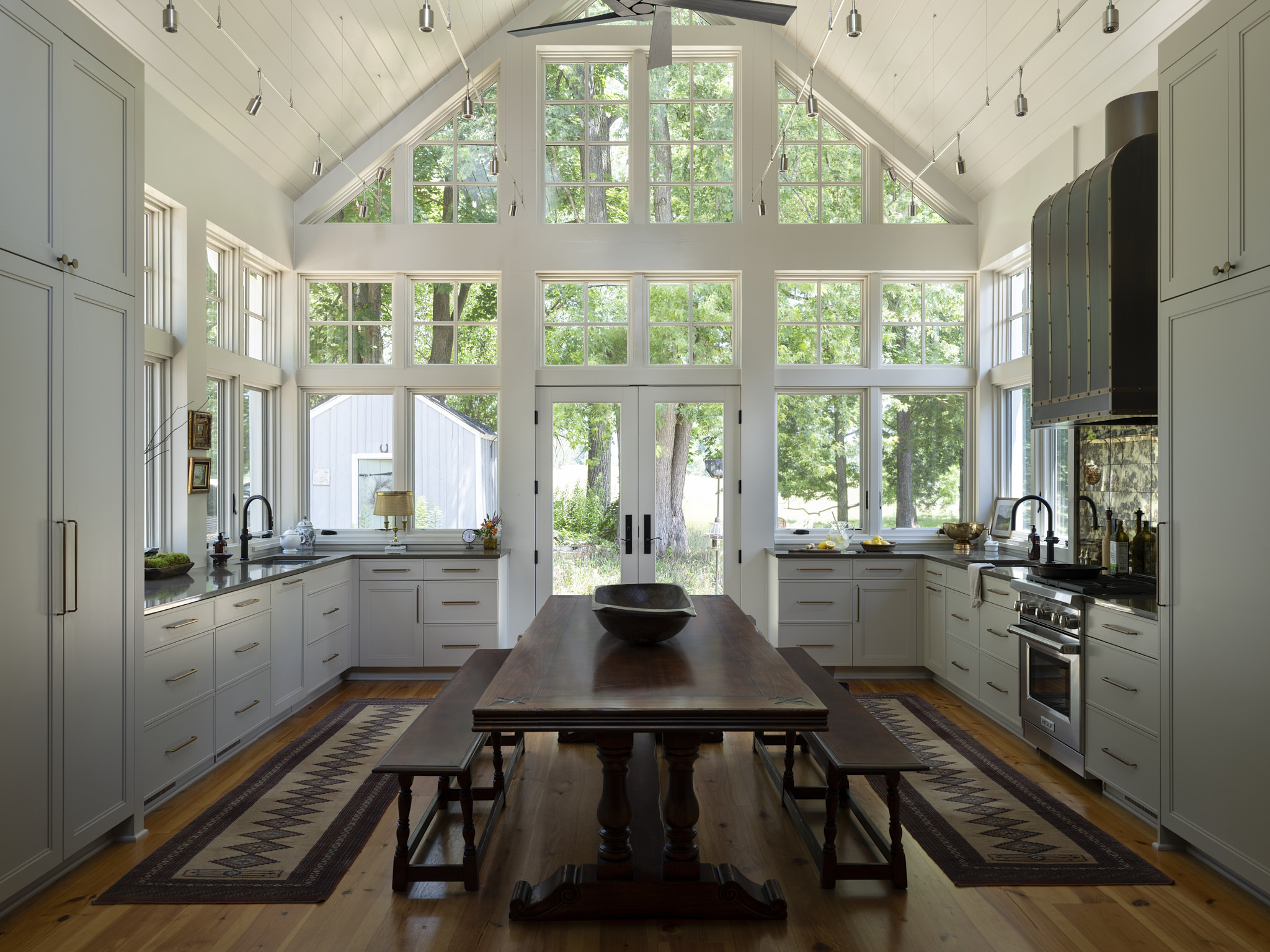
- Greenhouse Kitchen: The original cramped, dark kitchen and first addition were replaced with a bright open space featuring soaring ceilings and windows on every side, capturing views of the property’s 60 acres of pasture. An antique dining table anchors the room in lieu of a standard island, creating a more relaxed and communal gathering experience.
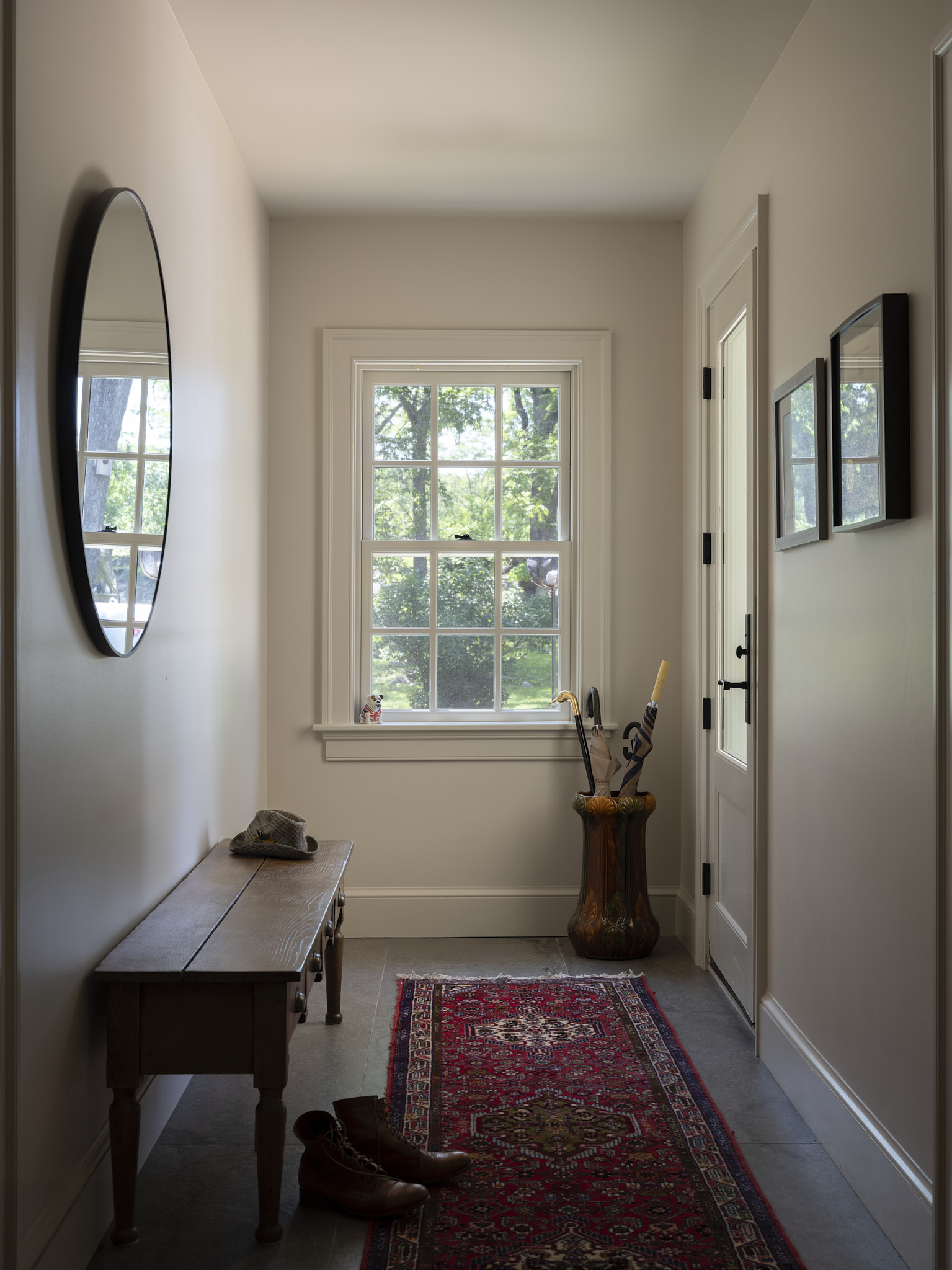
- Mudroom Addition: A functional mudroom was incorporated alongside the new kitchen, improving daily flow and livability for full-time residents.
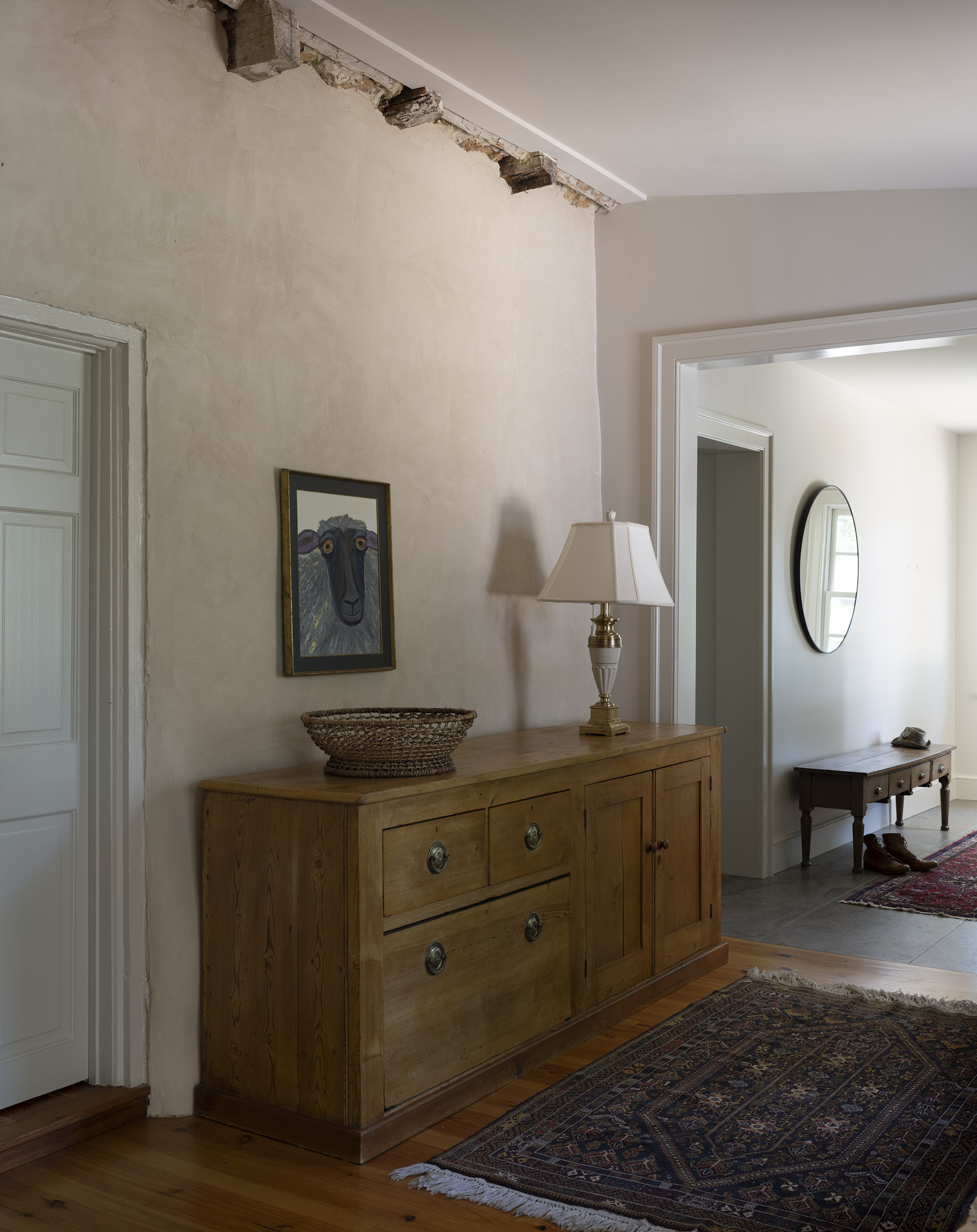
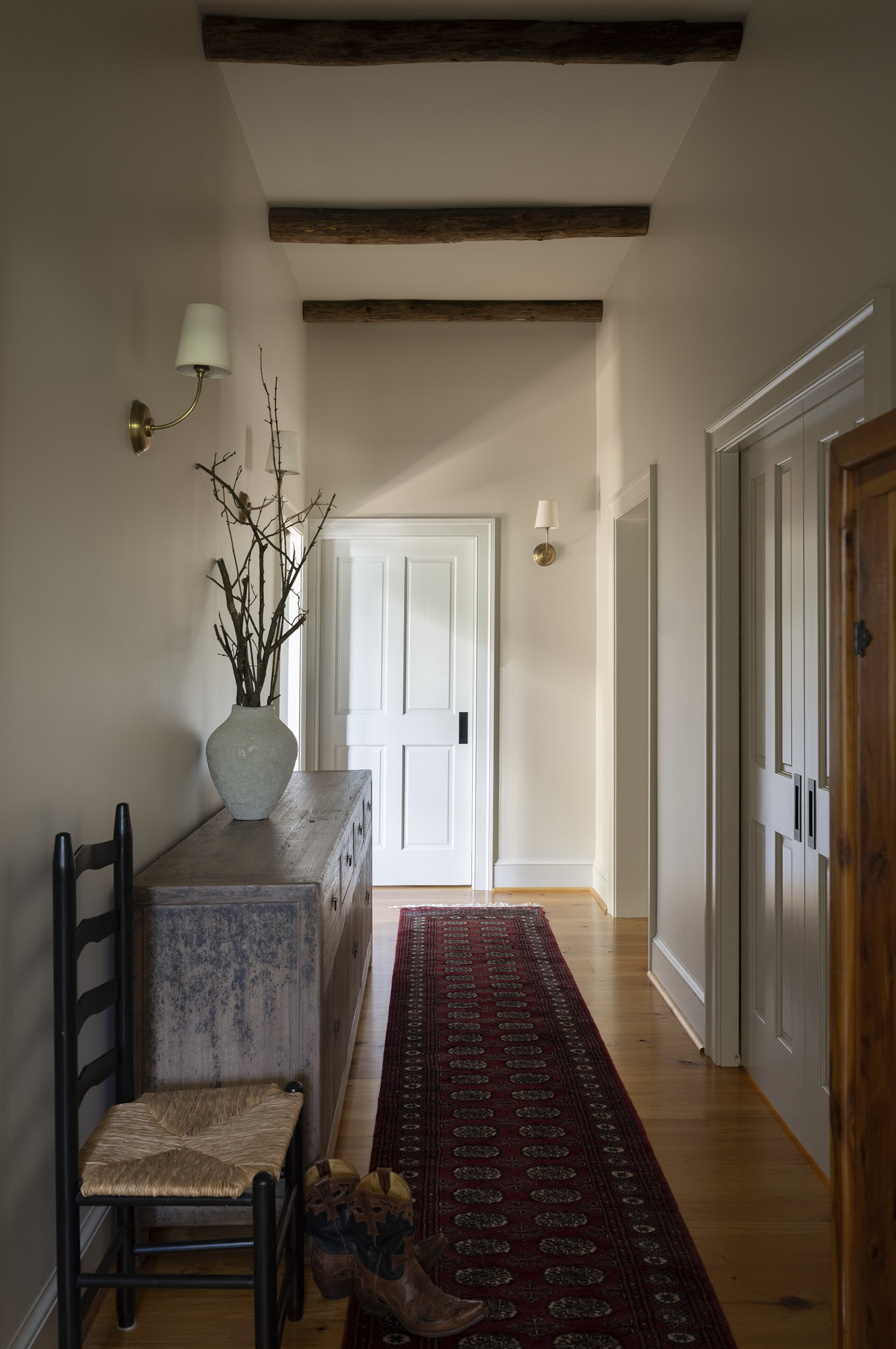
- Repurposed Ceiling Beams: Timber log pieces discovered under the addition’s floors during demolition were salvaged and installed on the hallway ceiling leading to the primary suite — a quiet detail that adds warmth, history, and an unexpected conversation piece to an entirely new space.
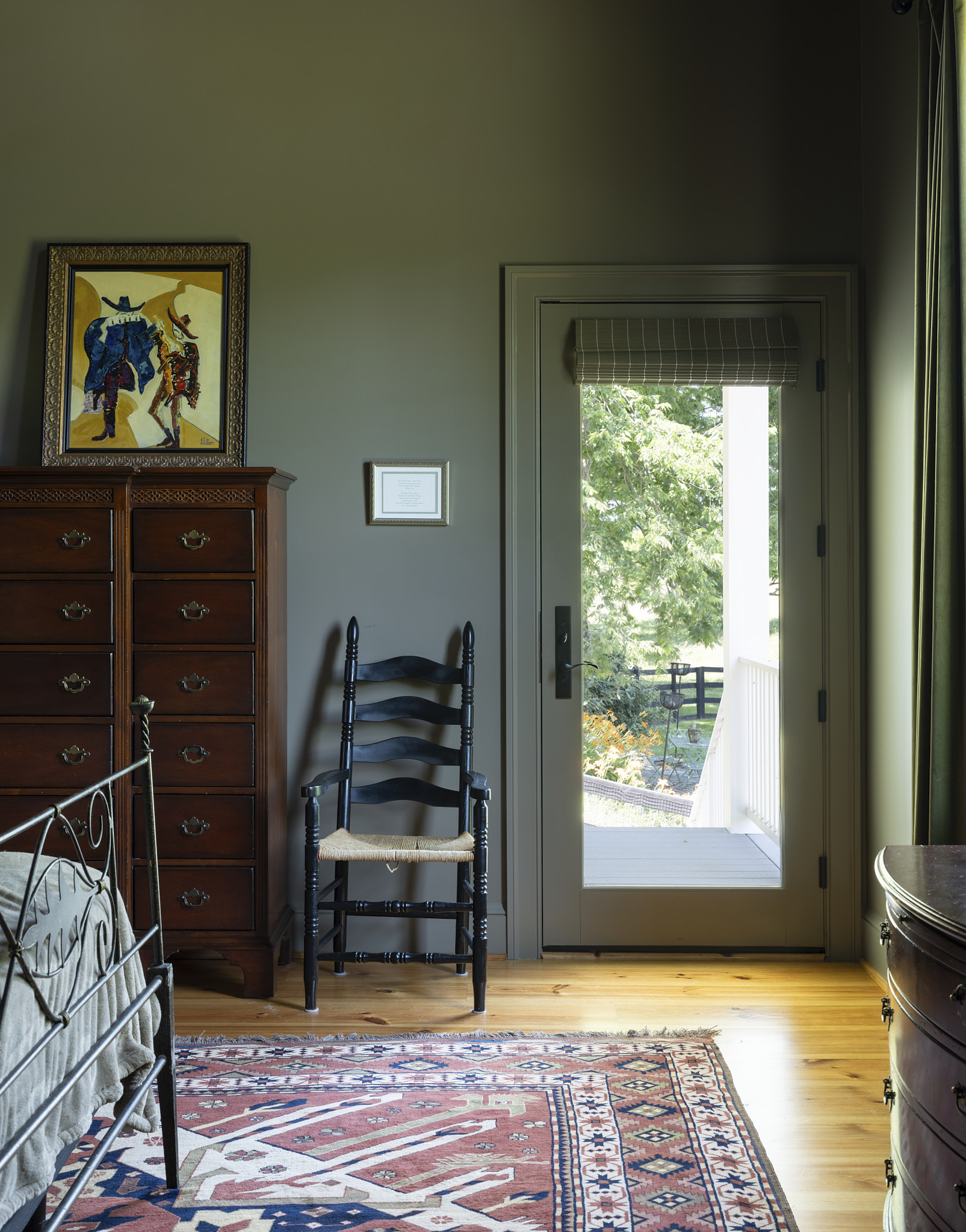
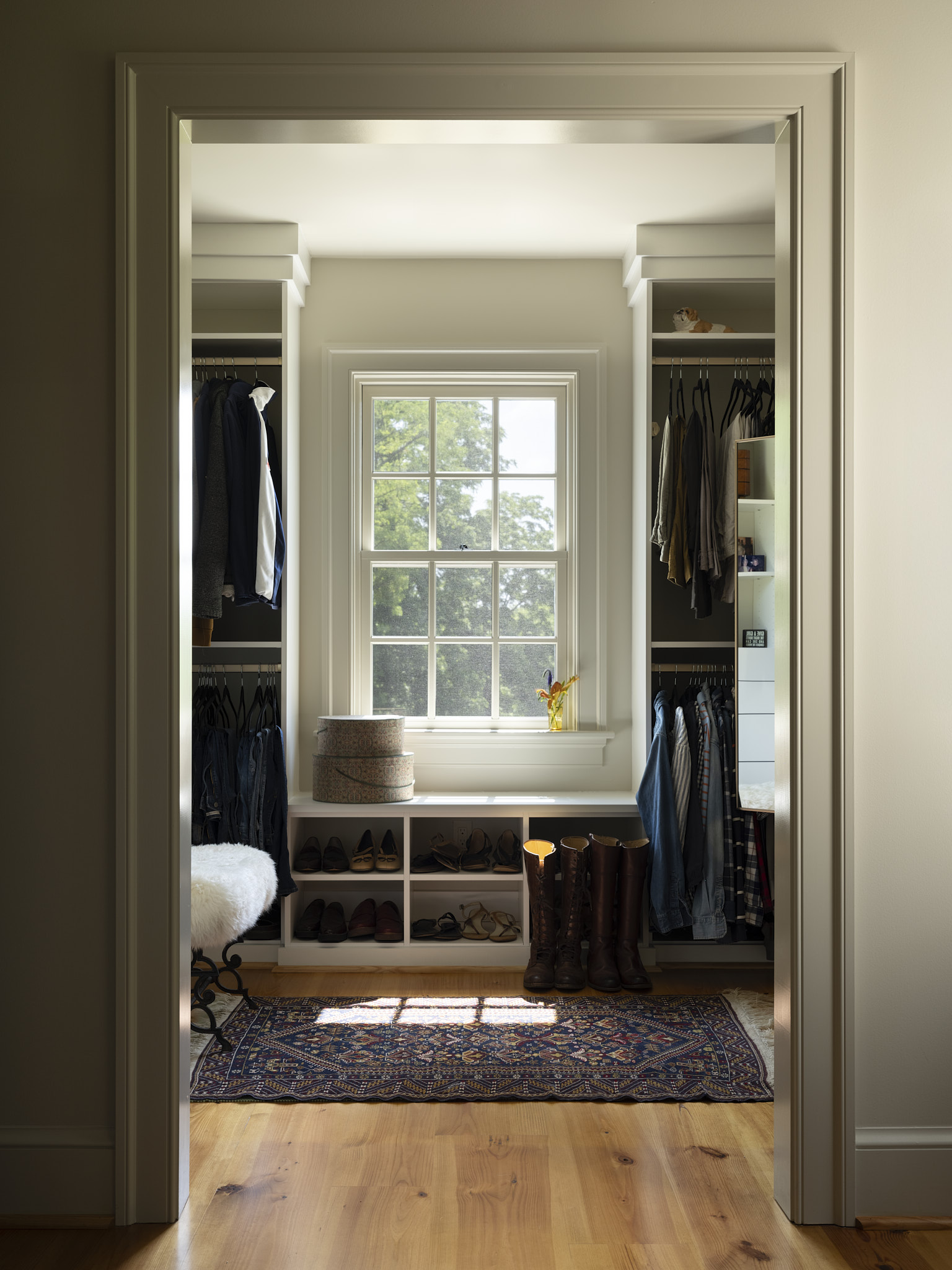
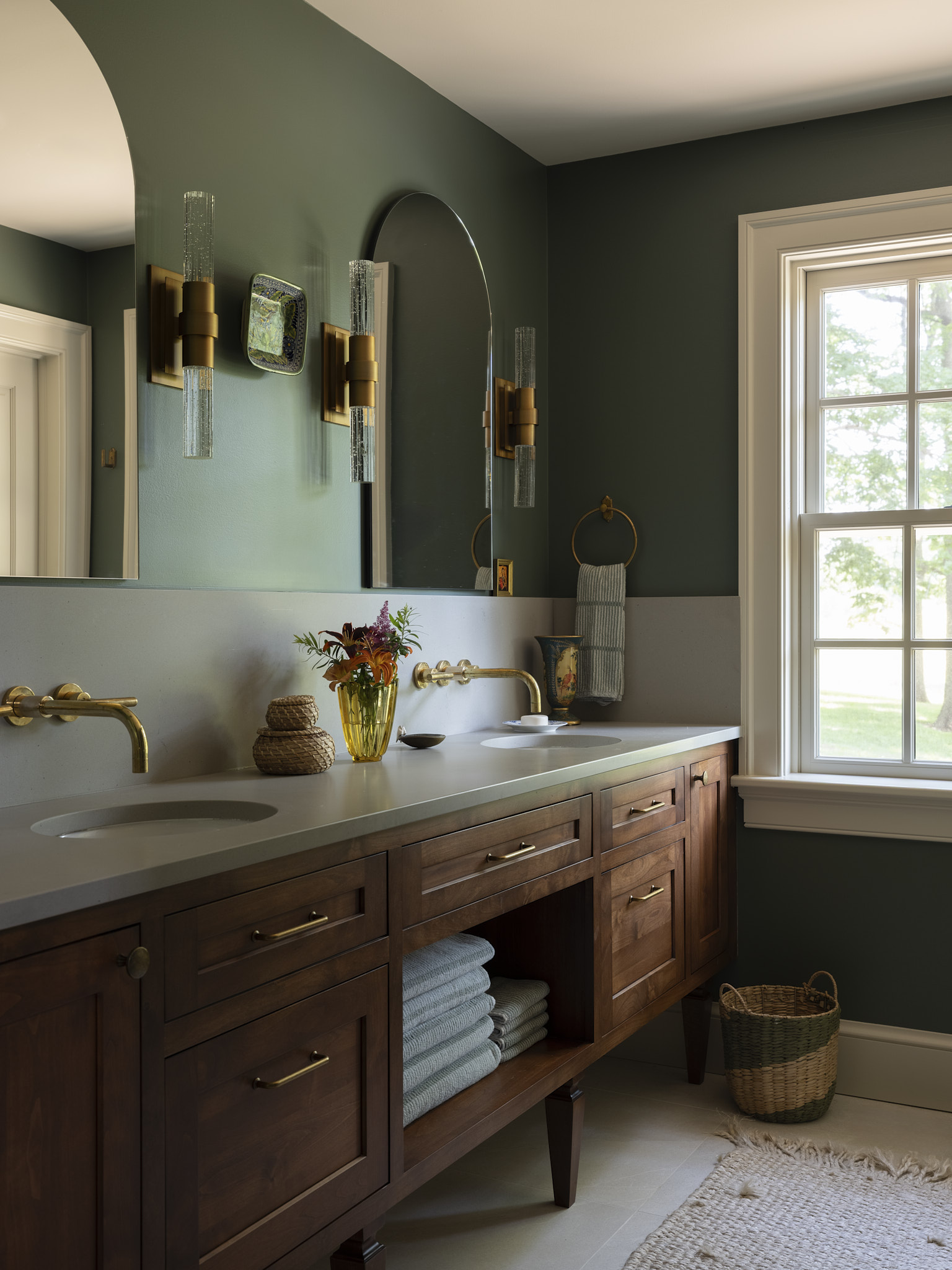
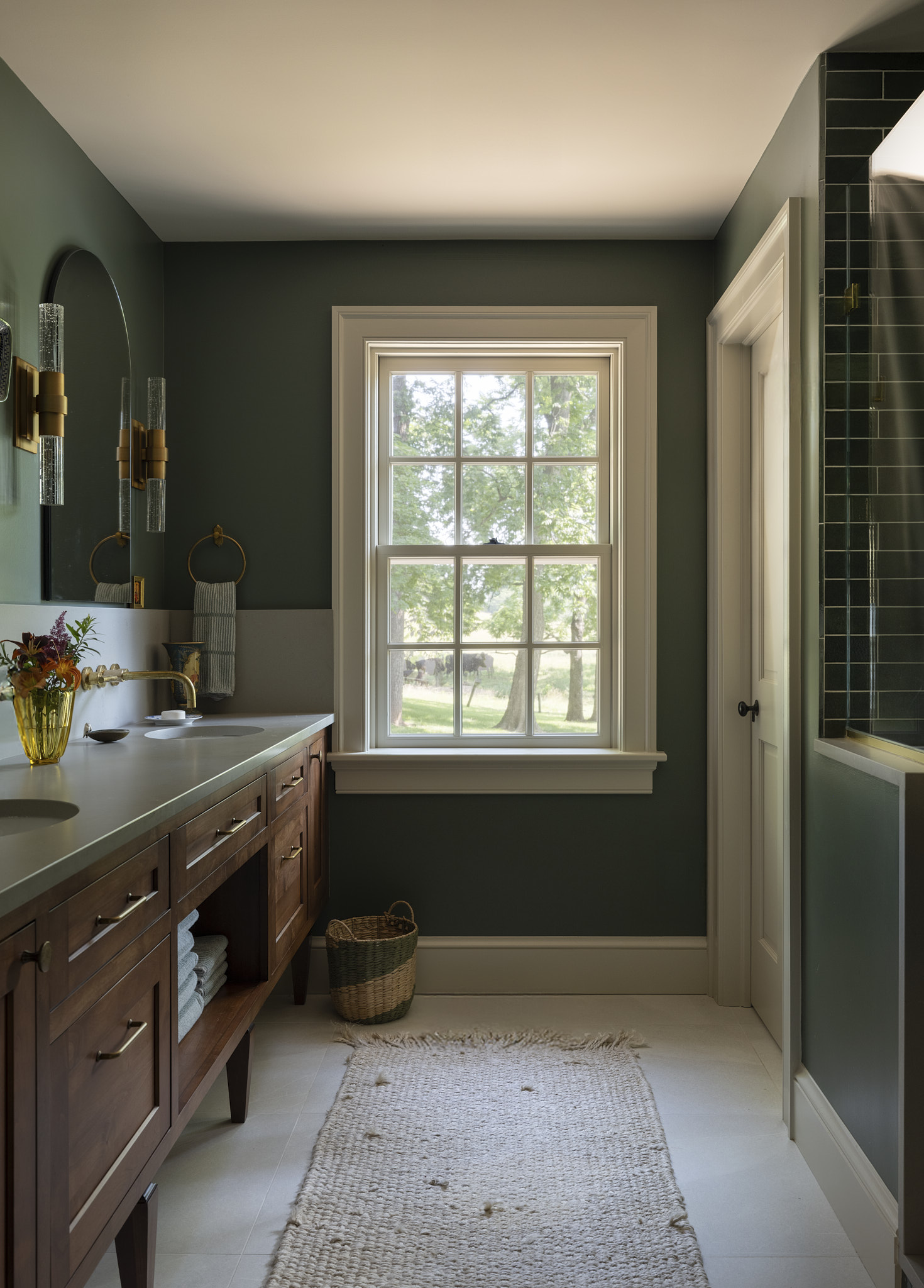
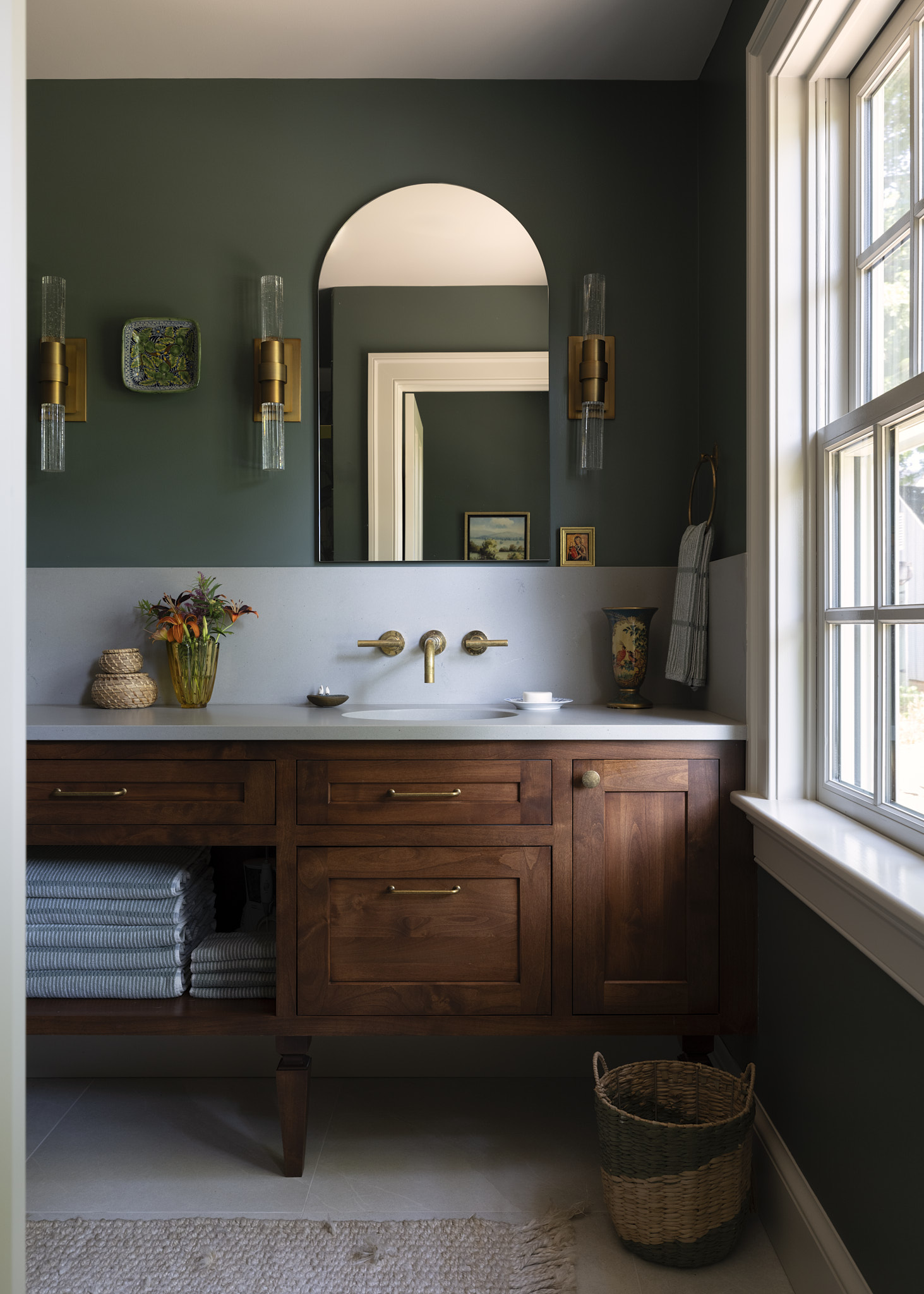
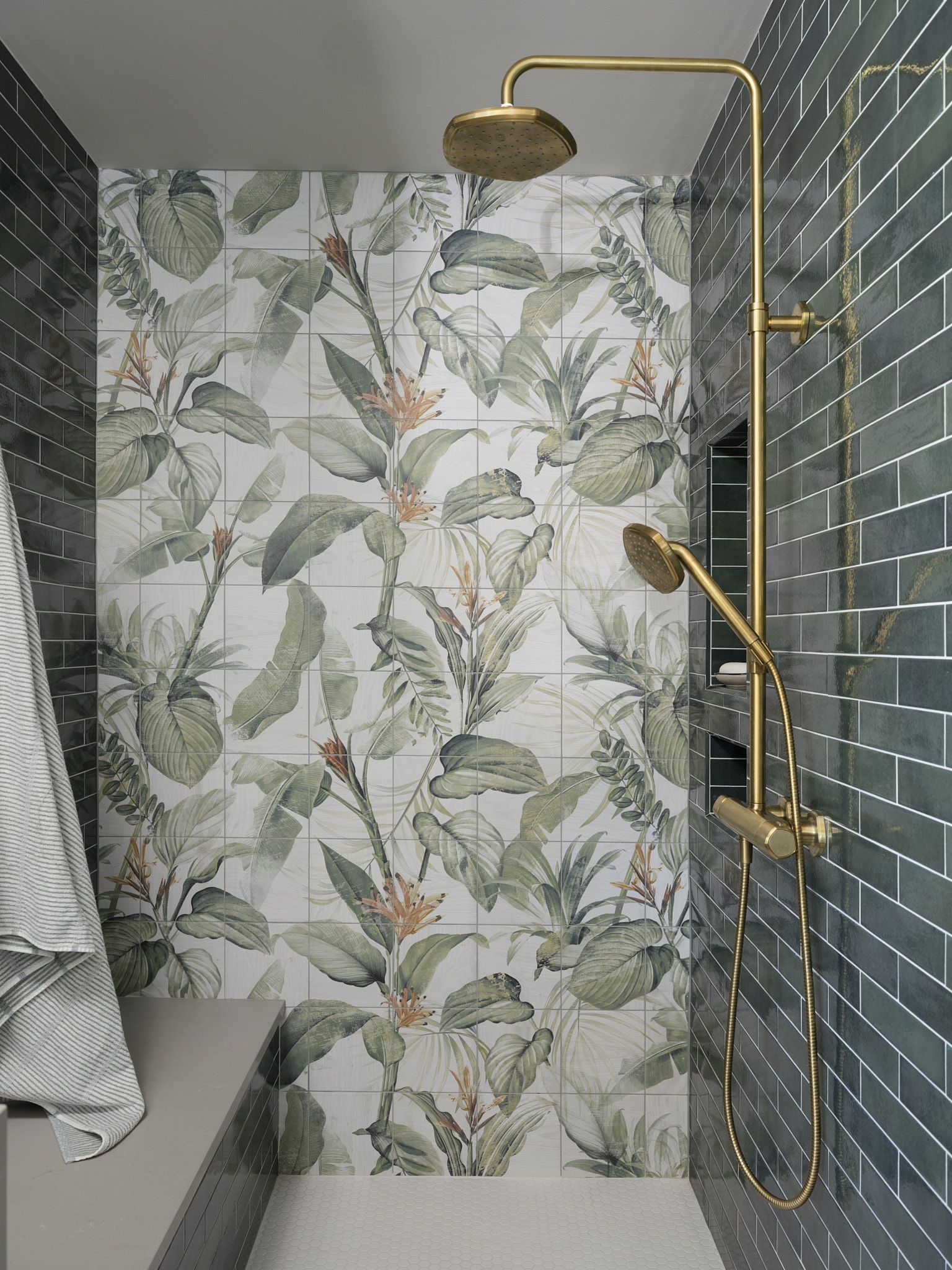
- New Primary Suite Wing: A dedicated new wing was added to the home, complete with a private porch, a muraled shower with an exposed unlacquered brass system (chosen to patina naturally over time), and a furniture-style vanity with aged brass hardware.
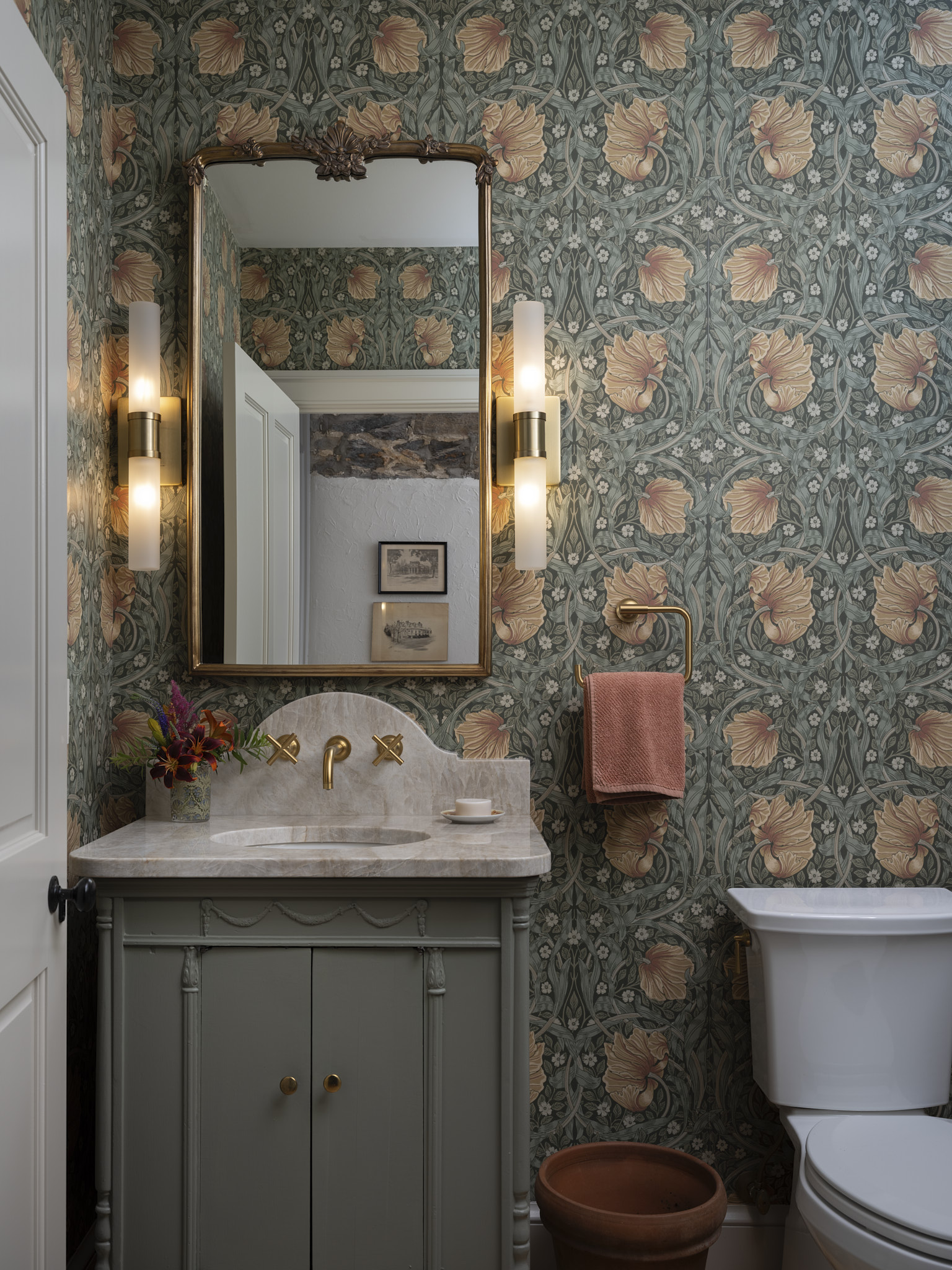
- Jewel-Box Powder Room: Show-stopping William Morris wallpaper and a vintage painted vanity are paired with a Kohler faucet, modern brass handles, and contemporary lighting for a room that gracefully bridges old and new.
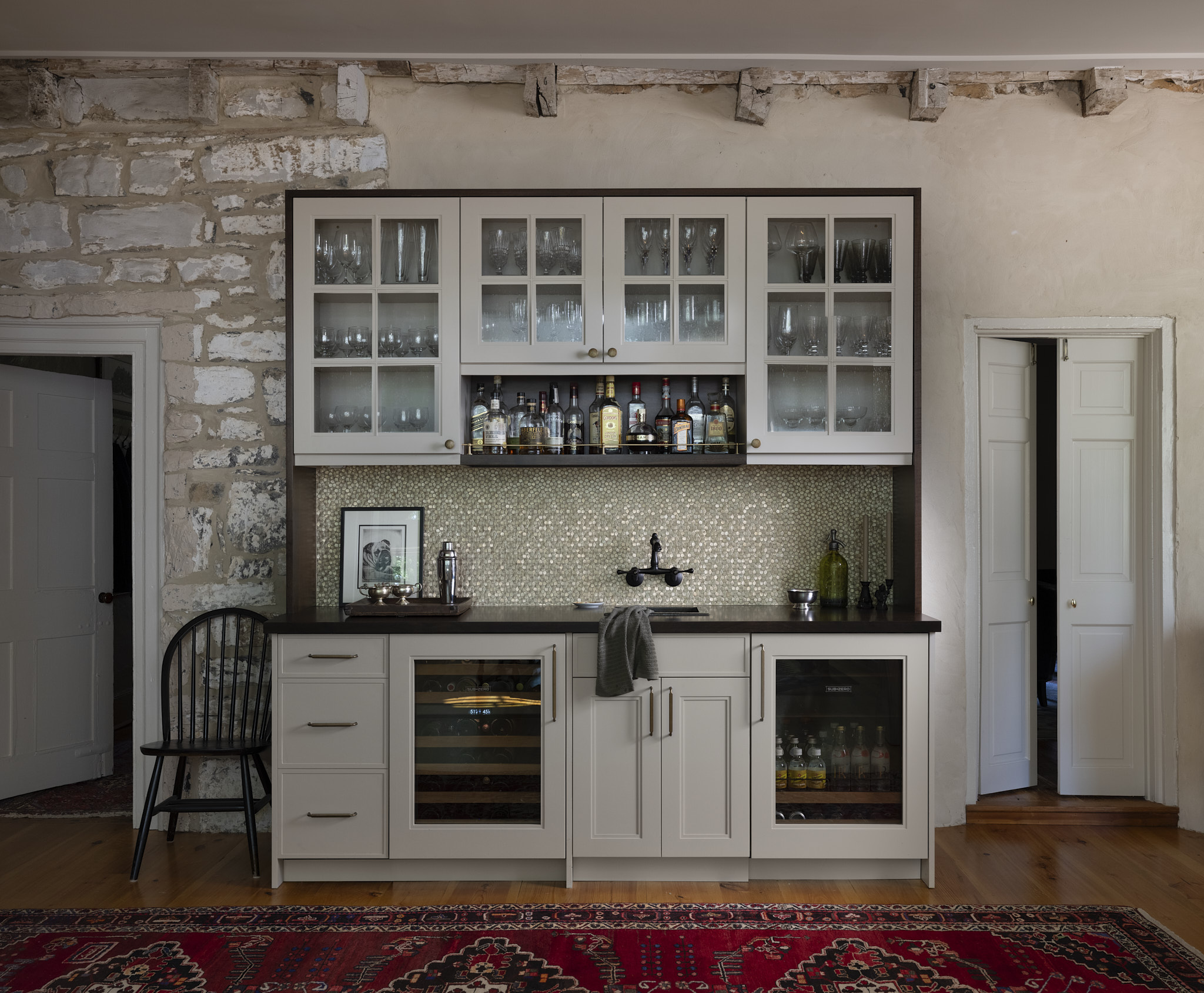
- Preserved Original Transitions: Where original transitions between the old additions remained, they were preserved and celebrated. The wet bar and coffee station retains original ceiling joints, beam ends, and the stone facade of the farmhouse’s back end.
- Modern Pool: A pool was added to the grounds, extending the home’s outdoor living possibilities while sitting comfortably alongside the historic structure.
Designing a Home That Could Last Another 100 Years
Guiding All Finishes and Selections
Gruver Cooley led the full scope of architectural finishes and material selections, both interior and exterior. This comprehensive oversight ensured continuity across a home that spans nearly three centuries of construction — where new rooms needed to feel as though they had always belonged.
Furnishings and Curated Details
Key furnishing decisions were made in close collaboration with Christie and Joe, with each piece chosen to deepen the home’s warm, collected feel. The antique dining table at the heart of the kitchen — selected in lieu of a conventional island — is a prime example: a single piece that transformed the room’s function and set the tone for the entire house.
Blending Modern and Antique
Wherever possible, original materials were preserved and new ones were chosen to complement rather than compete. Unlacquered brass was selected for fixtures because it patinas naturally over time, aligning with the home’s aged character. Neutral greens, soft blues, and warm whites carried the palette from old construction to new without a jarring transition. Small moments — like the original ceiling joints visible at the wet bar, or the stone facade framing the coffee station — were kept intentionally in view.
Client-Centered Design
Gruver Cooley worked closely with architecture firm Reader Swartz Architects throughout the project, ensuring that each new structural and aesthetic element honored the original farmhouse’s scale and spirit. The partnership allowed for decisions that respected both code requirements and the home’s deeply layered history.
CONCLUSION
A Legacy Home: Rooted in History, Designed for Today
Our client thought they should make good decisions for the house to help it last another 100 years. The result is a home that feels not just expanded, but evolved — rooted in its 1740s origins, yet fully designed for the life our clients live today. Every decision, from the salvaged ceiling beams to the unlacquered brass fixtures, was made with both longevity and livability in mind. White House Farm stands as a testament to what’s possible when historic preservation and thoughtful modern design work in true partnership.